Found 47 Results
Page 5 of 6

Unit 5: The Challenges of Power – Prosperity and Anxiety
Historical Perspective (ELA Unit) | August 19, 2021
The 1950s were a time of prosperity and affluence unlike any ever seen in the United States.

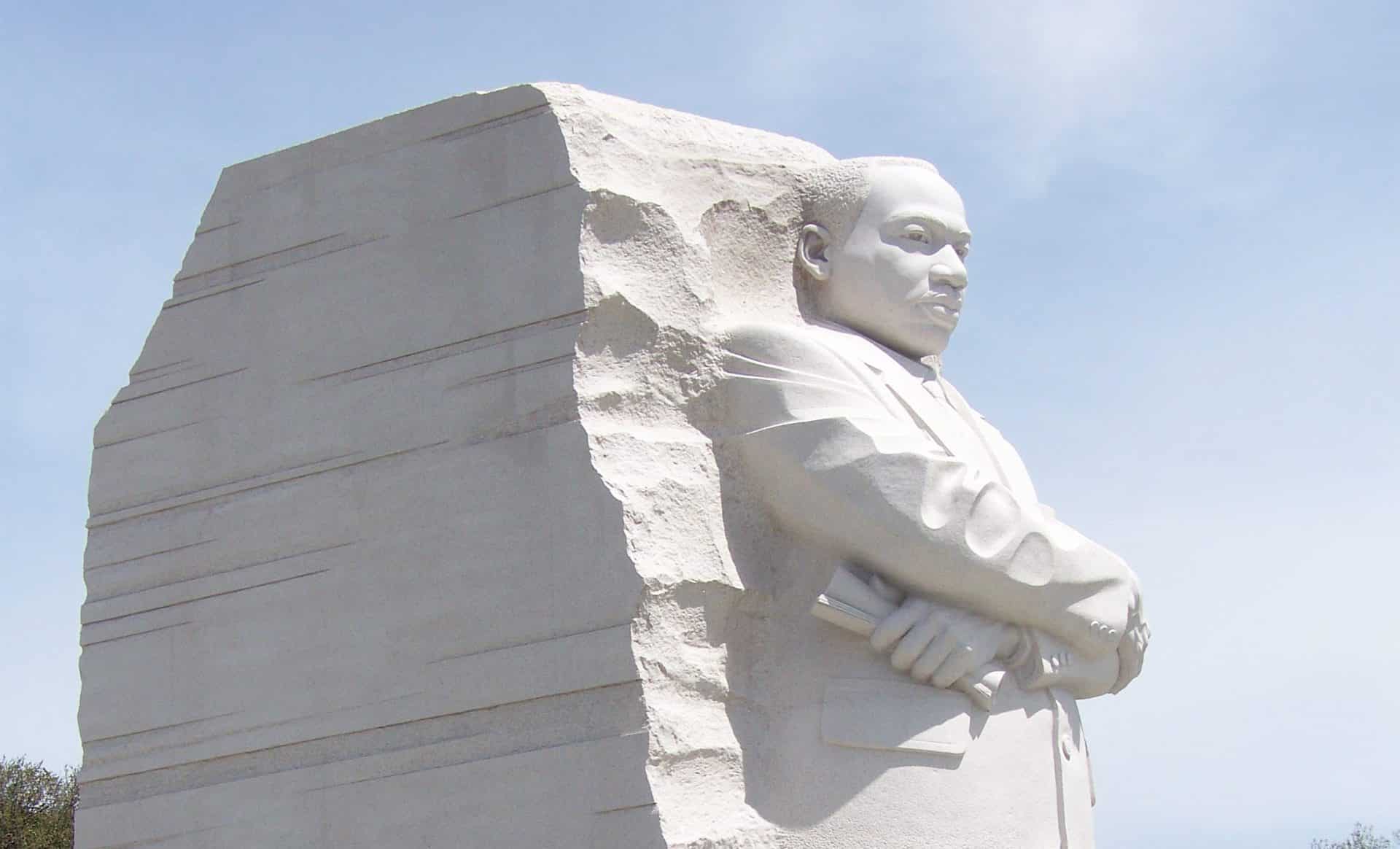
Unit 5: The Challenges of Power – Rights and Revolutions
Historical Perspective (ELA Unit) | August 19, 2021
The years between 1950 and 1975 were tumultuous times for American society.

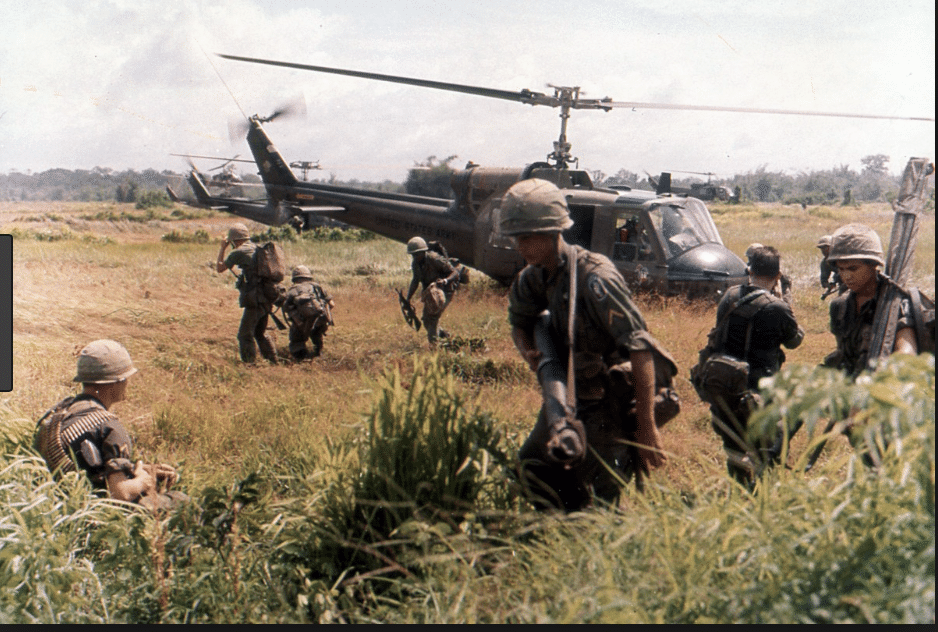
Unit 5: The Challenges of Power – The Vietnam Years
Historical Perspective (ELA Unit) | August 19, 2021
Since the late 1800s, France had controlled the area of Southeast Asia called Indochina—Vietnam, Laos, and Cambodia—and had profited from the region’s rice and rubber plantations.

The Debate Over School Resource Officers and the #CounselorsNotCops Campaign
Post | February 16, 2021
As people across the country have raised questions about the role of police,4 it is unsurprising that those debates have spilled over into schools. Some large districts are already taking steps to reduce, or even remove, police officers from schools. Shortly after a Minneapolis police officer killed George Floyd, the city voted to remove SROs […]
- Criminal Justice
- Current Constitutional Issues
- Executive Branch
- Government & Elections
- Legislative Branch
- Partisanship & Polarization
- Political Science
- US History
Historic Second Impeachment, Part Two: Questions of Crime and Punishment
Post | February 8, 2021
This week, the Senate commences an historic second trial of former President Donald Trump, stemming from his actions pertaining to the January 6 Capitol riot.1 Against a backdrop of heightened security, threats made against members of Congress,2 and tensions within the Republican Party,3 senators must determine President Trump’s innocence or guilt, as well as what […]
- Criminal Justice
- Current Constitutional Issues
- Executive Branch
- Government & Elections
- Judicial Branch
- Legislative Branch
- Partisanship & Polarization
- Political Science
- US History
Historic Second Impeachment, Part One: Questions of Constitutionality and Unity
Post | February 3, 2021
Last week, the House of Representatives delivered an article of impeachment to the Senate, accusing former President Donald Trump of inciting violence against the U.S. government on the basis of his actions relating to the January 6 storming of the Capitol.1 Already the first U.S. president to be impeached twice, President Trump will also become […]
- Civil Rights & Individual Liberties
- Criminal Justice
- Current Constitutional Issues
- Economic Issues
- Executive Branch
- Government & Elections
- Legislative Branch
- Partisanship & Polarization
- Teaching the News
Fallout and Consequences, Part Two: Free Speech and Censorship
Post | January 15, 2021
The fallout continues to mount from the January 6 attack on the Capitol. In previous blog posts, we offered a collection of resources and articles and explored the question of accountability for elected officials. In this post, we examine a thorny issue that is also emerging as institutions respond to riots: the power of private […]
- Civil Rights & Individual Liberties
- Criminal Justice
- Current Constitutional Issues
- Executive Branch
- Government & Elections
- Legislative Branch
- Partisanship & Polarization
- Teaching the News
Fallout and Consequences, Part One: Who is Accountable?
Post | January 13, 2021
The events at the Capitol on January 6 are forcing voters and elected officials to face some challenging questions. In a previous blog post, we provided some resources to help you begin to address some of these questions; in an upcoming post, we will examine other questions related to free speech. In this post, we […]
Page 5 of 6
Page 5 of 6

Unit 5: The Challenges of Power – Prosperity and Anxiety
Historical Perspective (ELA Unit) | August 19, 2021
The 1950s were a time of prosperity and affluence unlike any ever seen in the United States.
Unit 5: The Challenges of Power – Rights and Revolutions
Historical Perspective (ELA Unit) | August 19, 2021
The years between 1950 and 1975 were tumultuous times for American society.
Unit 5: The Challenges of Power – The Vietnam Years
Historical Perspective (ELA Unit) | August 19, 2021
Since the late 1800s, France had controlled the area of Southeast Asia called Indochina—Vietnam, Laos, and Cambodia—and had profited from the region’s rice and rubber plantations.
The Debate Over School Resource Officers and the #CounselorsNotCops Campaign
Post | February 16, 2021
As people across the country have raised questions about the role of police,4 it is unsurprising that those debates have spilled over into schools. Some large districts are already taking steps to reduce, or even remove, police officers from schools. Shortly after a Minneapolis police officer killed George Floyd, the city voted to remove SROs […]
- Criminal Justice
- Current Constitutional Issues
- Executive Branch
- Government & Elections
- Legislative Branch
- Partisanship & Polarization
- Political Science
- US History
Historic Second Impeachment, Part Two: Questions of Crime and Punishment
Post | February 8, 2021
This week, the Senate commences an historic second trial of former President Donald Trump, stemming from his actions pertaining to the January 6 Capitol riot.1 Against a backdrop of heightened security, threats made against members of Congress,2 and tensions within the Republican Party,3 senators must determine President Trump’s innocence or guilt, as well as what […]
- Criminal Justice
- Current Constitutional Issues
- Executive Branch
- Government & Elections
- Judicial Branch
- Legislative Branch
- Partisanship & Polarization
- Political Science
- US History
Historic Second Impeachment, Part One: Questions of Constitutionality and Unity
Post | February 3, 2021
Last week, the House of Representatives delivered an article of impeachment to the Senate, accusing former President Donald Trump of inciting violence against the U.S. government on the basis of his actions relating to the January 6 storming of the Capitol.1 Already the first U.S. president to be impeached twice, President Trump will also become […]
- Civil Rights & Individual Liberties
- Criminal Justice
- Current Constitutional Issues
- Economic Issues
- Executive Branch
- Government & Elections
- Legislative Branch
- Partisanship & Polarization
- Teaching the News
Fallout and Consequences, Part Two: Free Speech and Censorship
Post | January 15, 2021
The fallout continues to mount from the January 6 attack on the Capitol. In previous blog posts, we offered a collection of resources and articles and explored the question of accountability for elected officials. In this post, we examine a thorny issue that is also emerging as institutions respond to riots: the power of private […]
- Civil Rights & Individual Liberties
- Criminal Justice
- Current Constitutional Issues
- Executive Branch
- Government & Elections
- Legislative Branch
- Partisanship & Polarization
- Teaching the News
Fallout and Consequences, Part One: Who is Accountable?
Post | January 13, 2021
The events at the Capitol on January 6 are forcing voters and elected officials to face some challenging questions. In a previous blog post, we provided some resources to help you begin to address some of these questions; in an upcoming post, we will examine other questions related to free speech. In this post, we […]
Page 5 of 6