
;

We’re inspiring student leaders to turn tough topics into thoughtful conversations.
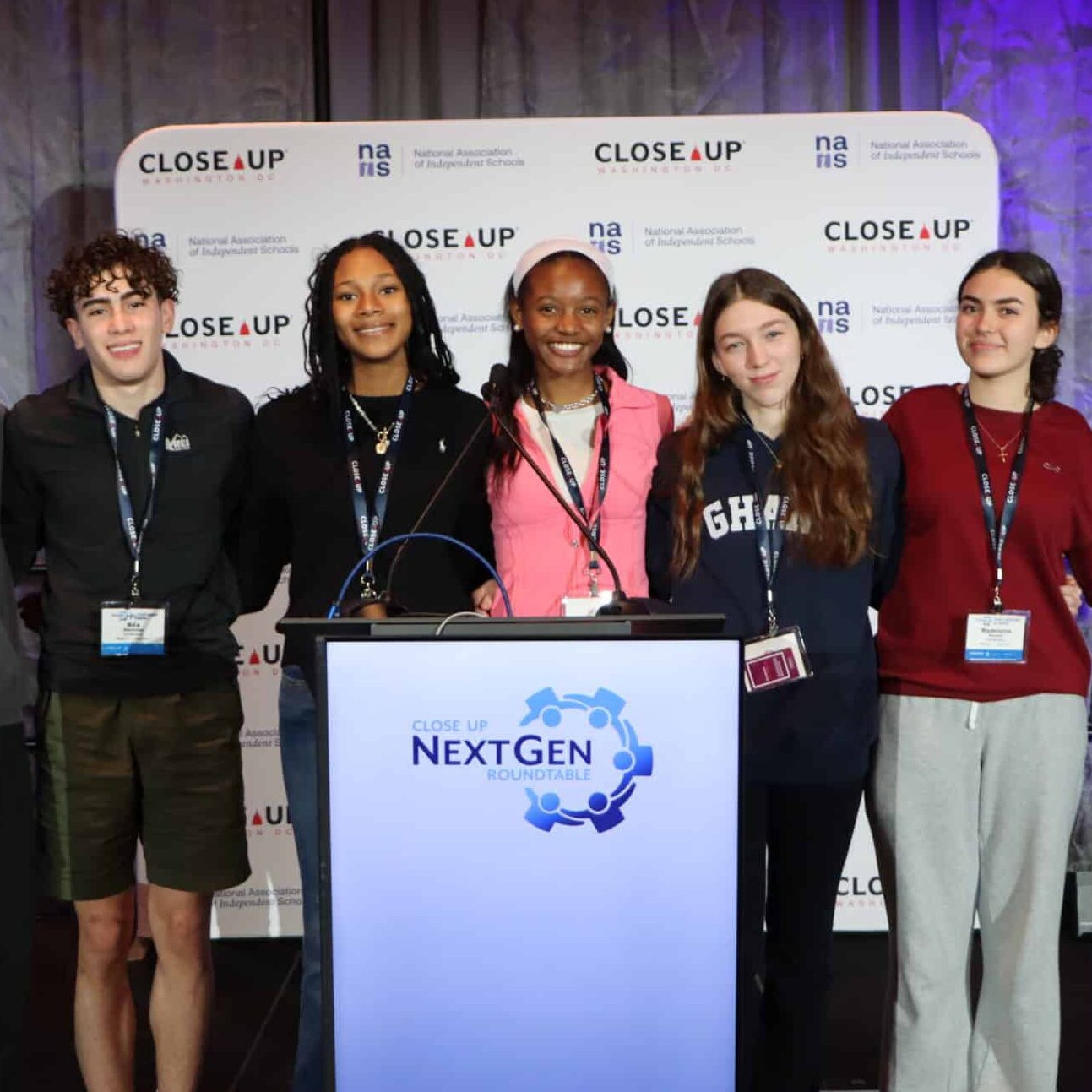
This November 10-13 in Dallas, Close Up and the Stanford University Deliberative Democracy Lab (DDL) are hosting a NextGen Roundtable national deliberation for high schoolers, part of Close Up’s series of local and national deliberative events, summits, and trainings bringing a culture of deliberation to schools and communities nationwide.
Throughout this three-day deliberative experience, students will consider multiple perspectives on policy issues, critically examine their own views, explore the values and tensions that shape opinions, hear from expert panels, and work with a diverse cohort of peers to reach consensus. Along the way, students will build deliberation and facilitation skills and develop recommendations and proposals they’ll bring back to share with their school communities. Students will be eligible to earn a Deliberative Dialogue Badge through Close Up and DDL.
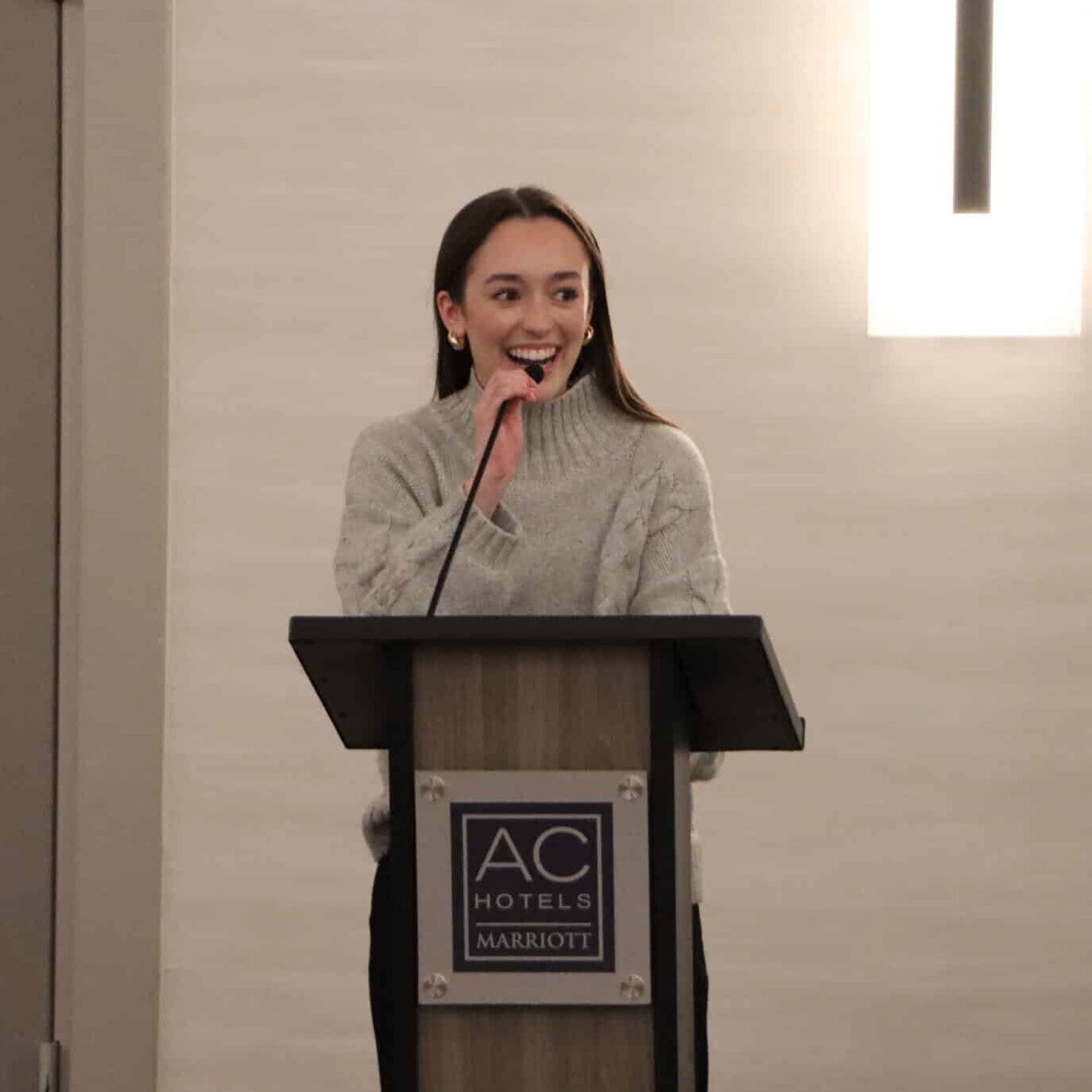

During this deliberative experience, students will:
The NextGen Roundtable: Deliberative Youth Summit is open to high school students in grades 9-12 with an interest in public policy, civil discourse, deliberation, and facilitating challenging conversations back in their school communities. Schools may select up to 12 students for this experience. A faculty advisor must attend the Educator Summit to gain critical insights on how to bring civil discourse and its many skills back to their classrooms.

Concurrent Educator Summit: Building Student Deliberative Skills
Educators are invited to take part in a concurrent professional development opportunity built on Close Up’s 50+ years of experience and focused on giving students the skills to engage with different perspectives and lead from a place of consensus. Educators will participate in Close Up-led workshops designed to build facilitation and deliberation skills, observe parts of the student deliberation that best display the power of deliberative dialogue, and develop tangible ways to support student leaders as they bring this important work back to their schools and communities.