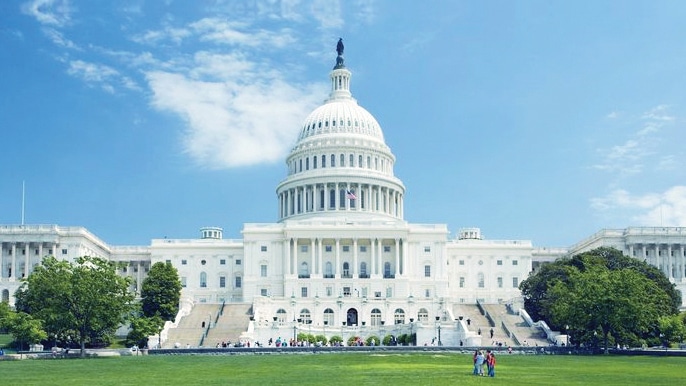
Capitol Hill Walking Workshop: History, Current Events, Neighborhood, and Layout
(Half Day • Morning)
This activity is partially designed for first-time high school teachers who wish to feel more comfortable leading their students around on Capitol Hill Day...
The walking workshop will familiarize you with the layout of the Hill, help you find your members’ offices and understand security procedures, and provide ideas for how to schedule extra time during Capitol Hill Day. If you have never attended a Close Up program, this session is strongly recommended. The elective also provides a wonderful overview of Capitol Hill, focusing on the fascinating history and stories that have accumulated over the past two plus centuries! Middle school teachers and parents have greatly enjoyed this elective as well!
*This elective is recommended for first-time Close Up participants!
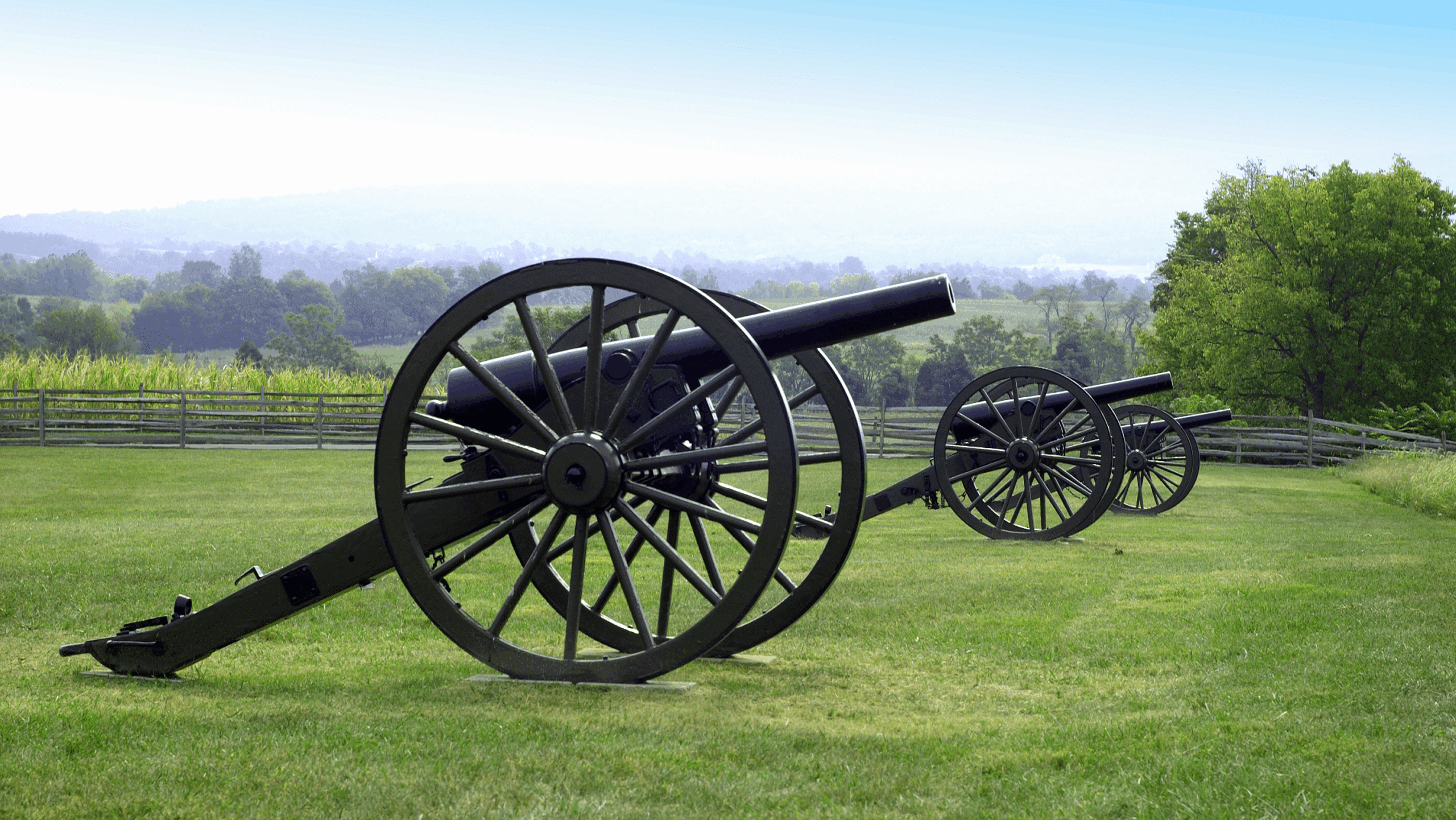
Chancellorsville Battlefield: Presidential Leadership in a Time of Conflict
(All Day)
Examine presidential leadership in a time of conflict...
Following the Union’s humiliating defeat at Fredericksburg in 1862, President Abraham Lincoln once again changed command of the Army of the Potomac. His hope that General Joseph Hooker could regain the initiative was dashed when the two armies made contact at a place called Chancellorsville. General Robert E. Lee’s unorthodox battle plan is considered by many to be his most brilliant victory—and a defeat for the Union that caused Lincoln to exclaim, “My God, my God, what will the country say!” Little did Lincoln know, this defeat would start the Civil War on a path to one of the Union’s greatest victories.
During this elective, which will take us to sites such as the Chancellorsville Battlefield, historic downtown Fredericksburg, and the National Museum of the U.S. Army, we will trace the footsteps of General Stonewall Jackson’s flanking march and explore the political landscape building up to, and the aftermath of, the Battle of Chancellorsville, most notably Lee’s decision to move north to Gettysburg. The discussion will also focus on the politics of presidential leadership during wartime and the lasting impact of Lincoln’s execution of the power granted to him by Article II, Section 2, of the Constitution—civilian control of the military.
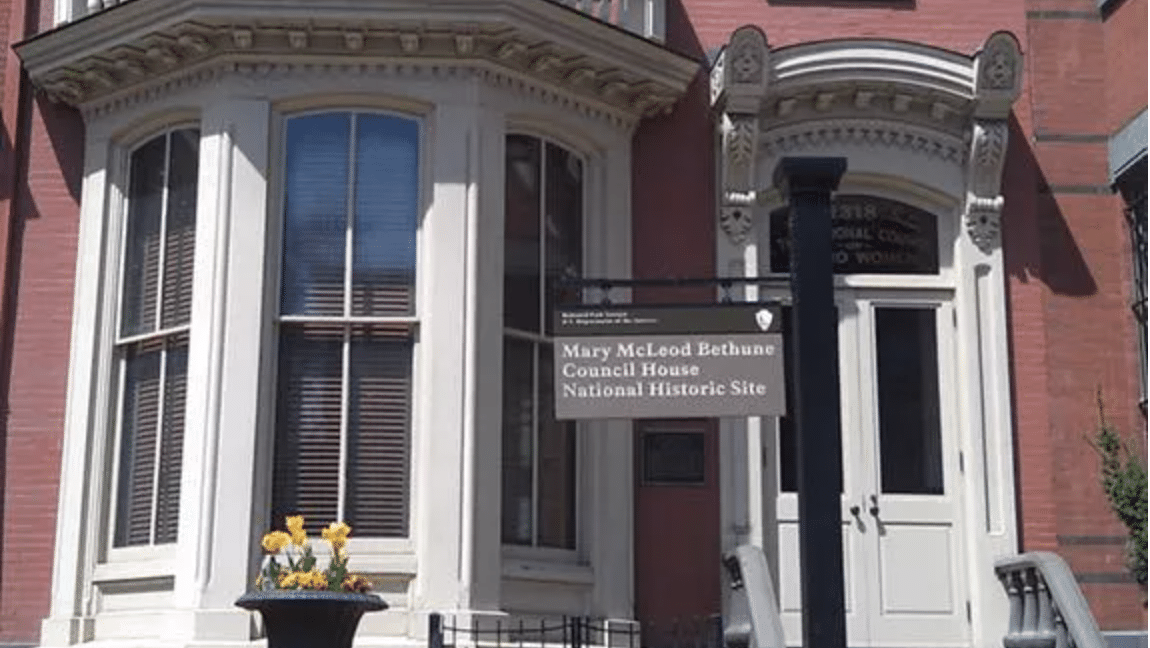
For Jobs and Freedom: The Undertold Stories of the March on Washington
(Half Day • Morning)
Hear the undertold stories of the 1963 March on Washington...
Martin Luther King Jr.’s “I Have a Dream” speech at the 1963 March on Washington is rightly hailed as one of the greatest moments of the Civil Rights Movement. However, the rest of the march’s story—and the rest of its title—are often neglected in favor of the egalitarian optimism of the dream. From trade unions to churches to women’s organizations to others, the March on Washington was made up of a wide variety of Americans with a diversity of interest. The way that these voices have been heard or kept silent, both at the march and in subsequent memory, shines a light on the triumphs and the shortcomings of the fight for civil rights.
In this elective, we will focus on these overlooked themes and people by tracing the movement’s history back to the original call for a March on Washington in the 1940s through various site visits connected with that momentous August day over 60 years ago, including sites such as the AFL-CIO, the Mary McLeod Bethune Council House, Union Station, and the Lincoln Memorial.
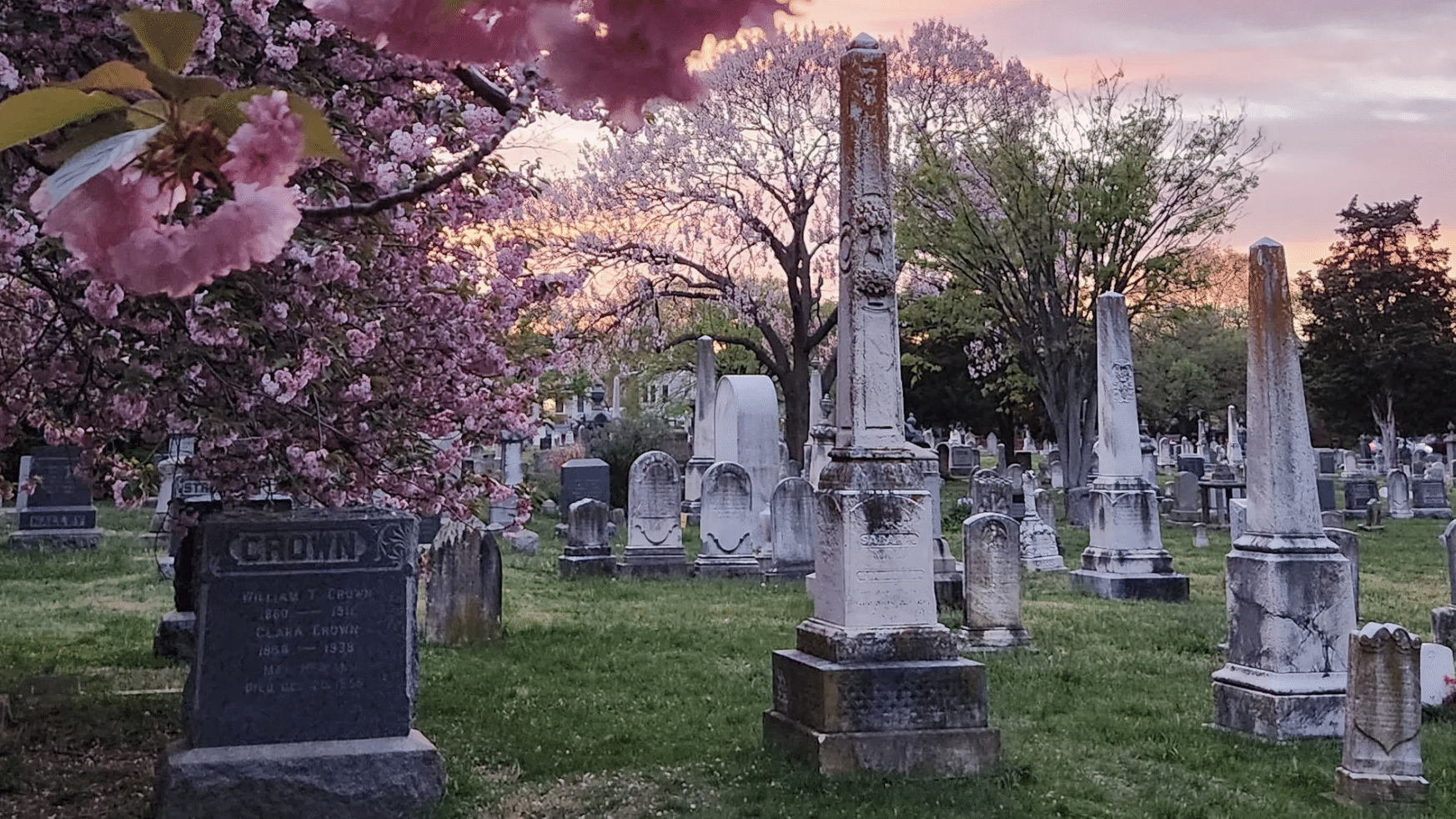
Indigenous America in the Nation’s Capital: A Story of Resistance, Equality, Justice & Dignity
(Half Day • Afternoon)
Look back in history at a story of resistance, equality, justice, and dignity...
Today, most people associate Washington, D.C., with the White House and Capitol Hill. Yet, Native Americans had already established communities on this land 4,000 years before the city was formed in 1791. Nacotchtank, Piscataway, Pamunkey, Nentego (Nanichoke), Mattaponi, Chickahominy, Monacan, and Powhatan cultures thrived along the Anacostia and Potomac Rivers. This elective will highlight the longstanding connections Native Americans have had with D.C. through political activism, betrayal, death, and a profound demonstration of wisdom.
Our journey will begin at Congressional Cemetery, where headstones tell the nation’s hidden history, and move on to an abode near the White House where women steered and won the suffragist campaign. We’ll end up at The Black Canoe in the courtyard of the Embassy of Canada to contemplate this stimulating Native American statue.
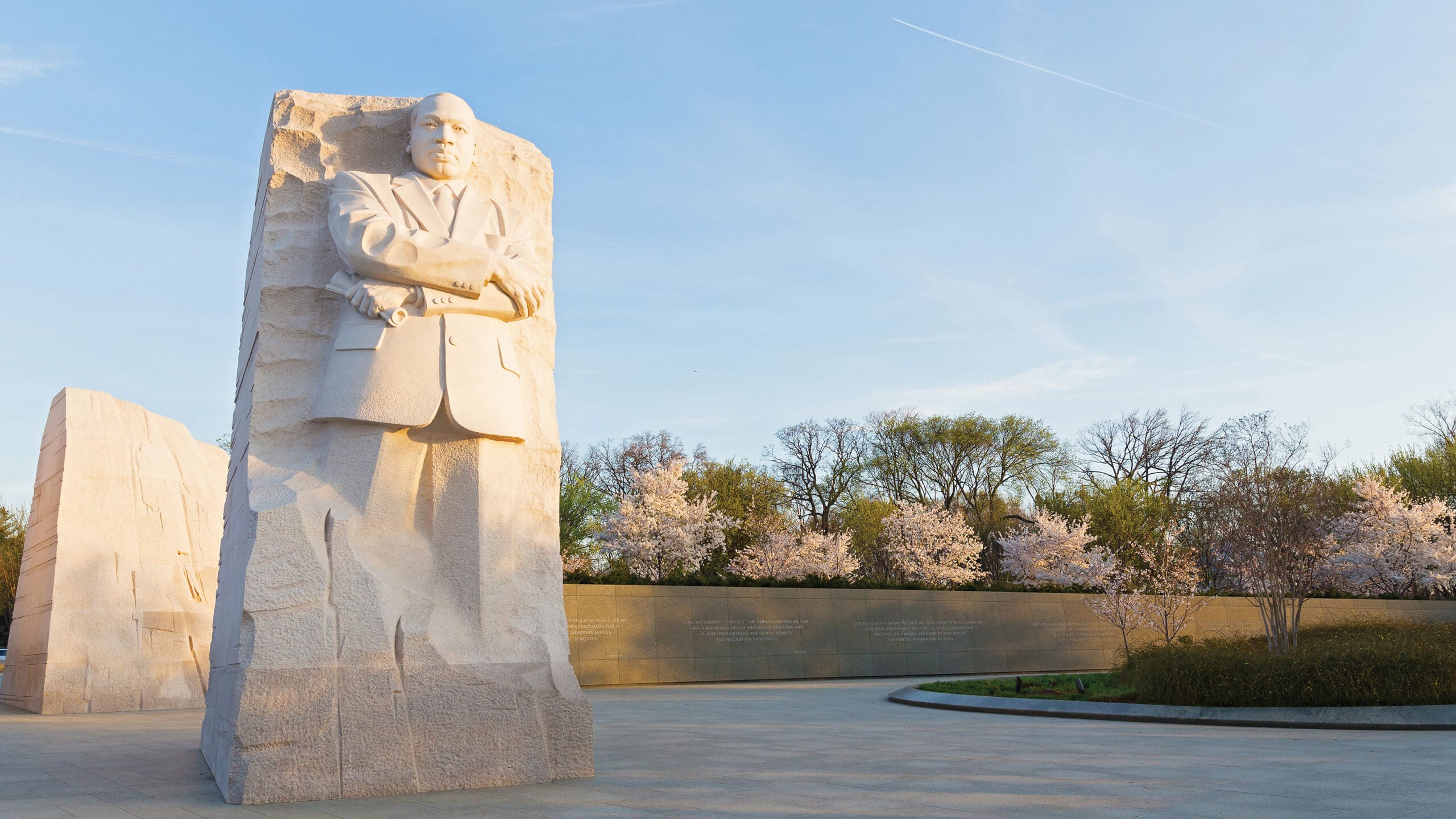
Engaging with Monuments
(Half Day • Afternoon)
Explore the Thomas Jefferson, Franklin Delano Roosevelt, and Dr. Martin Luther King Jr. Memorials...
Through this elective, we will explore the Thomas Jefferson, Franklin Delano Roosevelt, and Dr. Martin Luther King Jr. Memorials. Our teacher program specialists will take a step back in history, tell the stories behind the memorials, and explain Close Up’s student methodology while visiting these classic D.C. landmarks.
*This elective is recommended for first-time Close Up participants!
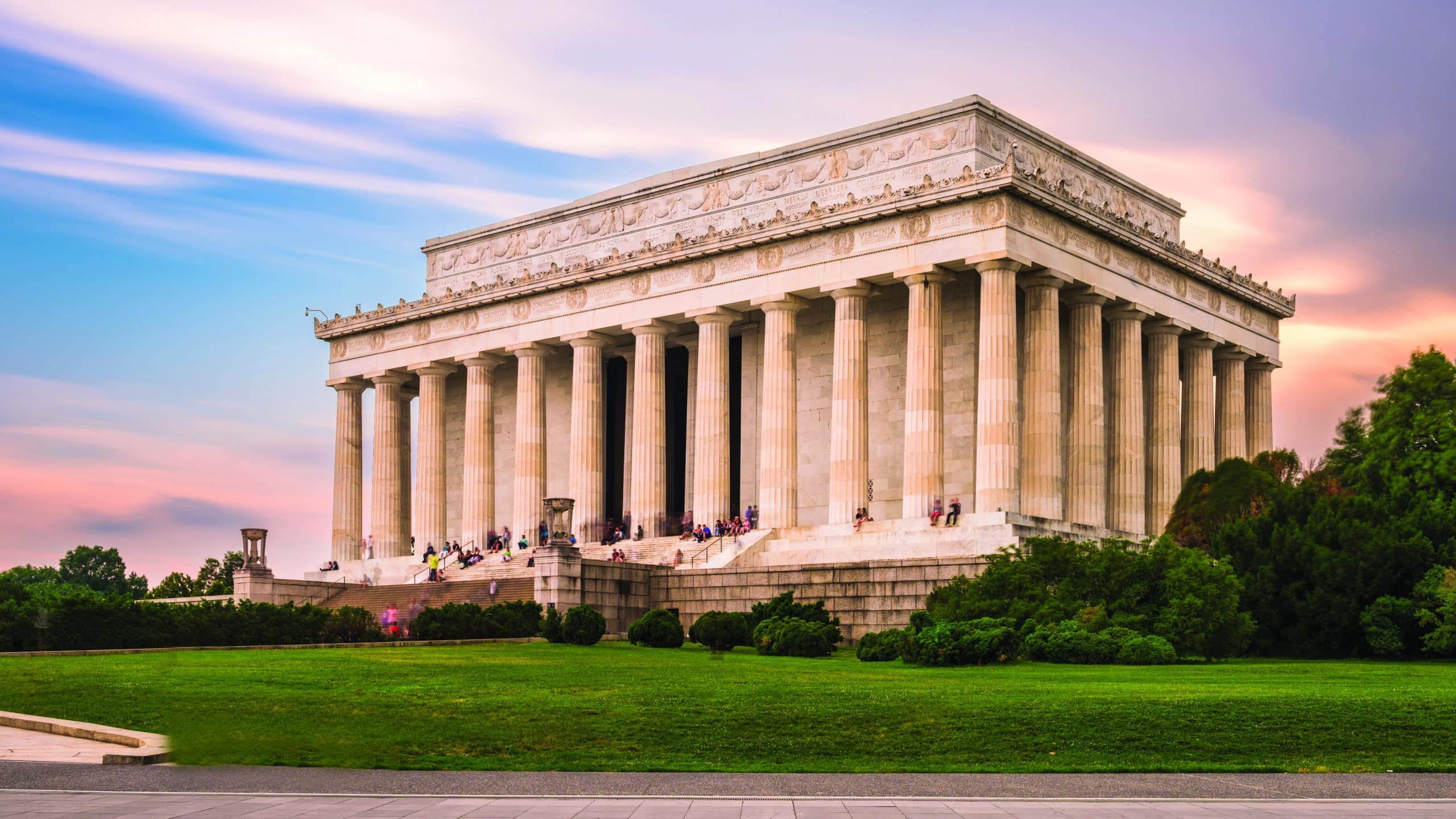
An Evening at the Memorials
(Evening)
Experience the World War II, Korean War Veterans, Vietnam Veterans, and Lincoln Memorials at night...
Through this elective, we will explore the iconic World War II, Korean War Veterans, Vietnam Veterans, and Lincoln Memorials. Our teacher program specialists will take a step back in history, tell the stories behind the memorials, and explain Close Up’s student methodology while visiting these classic D.C. landmarks.
*This elective is recommended for first-time Close Up participants!