Found 263 Results
Page 1 of 27

Should States Tax Their Richest Residents More? California and Washington Decide in November
Post | October 9, 2026
When voters go to the polls on November 3, they will decide about 27 statewide tax measures, according to MultiState, a firm that tracks state legislation.1 Most would cut property taxes. Four, in California and Washington, ask a different question: Should a state’s richest residents pay more? California voters will decide whether to make a […]

Colorado and Missouri Vote on Medical Treatments for Transgender Minors
Post | October 7, 2026
On November 3, voters in two states will decide whether to restrict medical treatments related to gender transition for people under 18. The two measures ask a similar question but answer it in different places. Colorado’s Proposition 135 would prohibit surgery. Missouri’s Amendment 3 would prohibit surgery and puberty-blocking drugs and cross-sex hormones. Nearly everyone […]

Should Voters Have to Prove Their Identity and Citizenship? Twelve States Decide
Post | September 28, 2026
When voters in a dozen states open their ballots this fall, they will find questions not just about candidates but about the rules of voting itself. Six states will decide whether to require voters to show identification. Six will decide whether to write into their constitutions that only U.S. citizens may vote in any election. […]

Big Tech Goes to School: Who Decides How AI Enters the Classroom?
Post | September 16, 2026
“The next major AI battleground is the classroom,” Axios reported this year, as Google, Microsoft, OpenAI, and Anthropic race to make their tools the ones teachers and students reach for. “Whoever wins schools now could shape how Gen Alpha learns, studies and interacts with AI for years to come.”1 The money confirms that framing. A […]

Should Schools Adopt AI Before the Evidence Is In?
Post | September 9, 2026
Artificial intelligence is already in American schools, whether or not schools have decided what to do about it. A Common Sense Media census released in June 2026 found that 86% of children aged 9-17 use or interact with generative AI, with nearly a quarter using it daily, and among young AI users, 85% use it […]
School Cellphone Bans Swept the Country: Did They Work?
Post | August 31, 2026
As summer winds down, Massachusetts lawmakers are working to reconcile State House and Senate bills that would prohibit students from using cellphones and other personal devices from the first school bell to the last, beginning in the 2026-27 school year.¹ If the effort succeeds, Massachusetts will join a movement that has spread with remarkable speed. […]

Who Should Pay for the Electricity That Powers AI?
Post | May 6, 2026
As artificial intelligence (AI) and large language models like ChatGPT become more ubiquitous in American life, “tech giants such as Google, Meta, Microsoft, and Amazon are predicted to spend $364 billion this year to accelerate the construction of new data centers” across the United States.1 Data centers are facilities that house servers, storage systems, networking […]
Should the Federal Government Influence How Museums Present American History?
Post | April 28, 2026
The administration of President Donald Trump has raised concerns that federally funded institutions, such as the National Museum of African American History and Culture (NMAAHC), wield the power to either heighten or ease racial tensions through what the administration calls “divisive” and “ideologically driven” narratives. The administration is scrutinizing the portrayal of the nation’s heritage […]
Should the Federal Government Subsidize Private School Tuition?
Post | April 20, 2026
The historic passage of the “One Big Beautiful Bill” in July 2025 brought about numerous new tax and spending policies. The Education Choice for Children Act passed within the text of the bill, representing the first federal, voucher-style, school choice program set to begin in January 2027. Secretary of Education Linda McMahon has described it […]
The United States and Iran: How Did We Get Here?
Post | April 17, 2026
The conflict between the United States and Iran has deep roots. When the U.S. military struck three nuclear facilities in Iran on June 22, 2025, President Donald Trump declared that the goal of disabling the sites had been achieved, though intelligence sources remained uncertain as to the extent of the damage.1 For some Americans, the […]
Page 1 of 27
Page 1 of 27
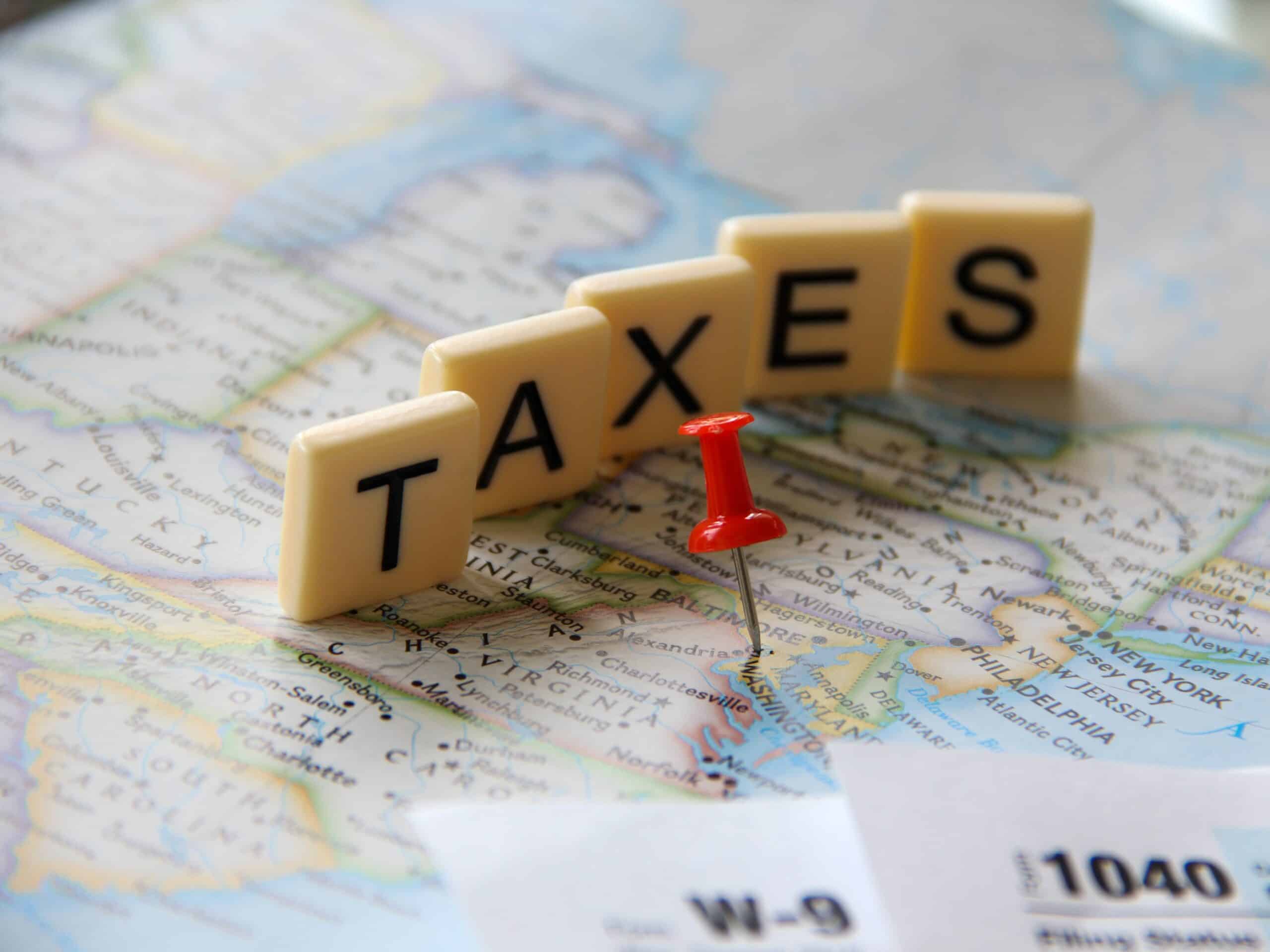
Should States Tax Their Richest Residents More? California and Washington Decide in November
Post | October 9, 2026
When voters go to the polls on November 3, they will decide about 27 statewide tax measures, according to MultiState, a firm that tracks state legislation.1 Most would cut property taxes. Four, in California and Washington, ask a different question: Should a state’s richest residents pay more? California voters will decide whether to make a […]

Colorado and Missouri Vote on Medical Treatments for Transgender Minors
Post | October 7, 2026
On November 3, voters in two states will decide whether to restrict medical treatments related to gender transition for people under 18. The two measures ask a similar question but answer it in different places. Colorado’s Proposition 135 would prohibit surgery. Missouri’s Amendment 3 would prohibit surgery and puberty-blocking drugs and cross-sex hormones. Nearly everyone […]

Should Voters Have to Prove Their Identity and Citizenship? Twelve States Decide
Post | September 28, 2026
When voters in a dozen states open their ballots this fall, they will find questions not just about candidates but about the rules of voting itself. Six states will decide whether to require voters to show identification. Six will decide whether to write into their constitutions that only U.S. citizens may vote in any election. […]

Big Tech Goes to School: Who Decides How AI Enters the Classroom?
Post | September 16, 2026
“The next major AI battleground is the classroom,” Axios reported this year, as Google, Microsoft, OpenAI, and Anthropic race to make their tools the ones teachers and students reach for. “Whoever wins schools now could shape how Gen Alpha learns, studies and interacts with AI for years to come.”1 The money confirms that framing. A […]

Should Schools Adopt AI Before the Evidence Is In?
Post | September 9, 2026
Artificial intelligence is already in American schools, whether or not schools have decided what to do about it. A Common Sense Media census released in June 2026 found that 86% of children aged 9-17 use or interact with generative AI, with nearly a quarter using it daily, and among young AI users, 85% use it […]
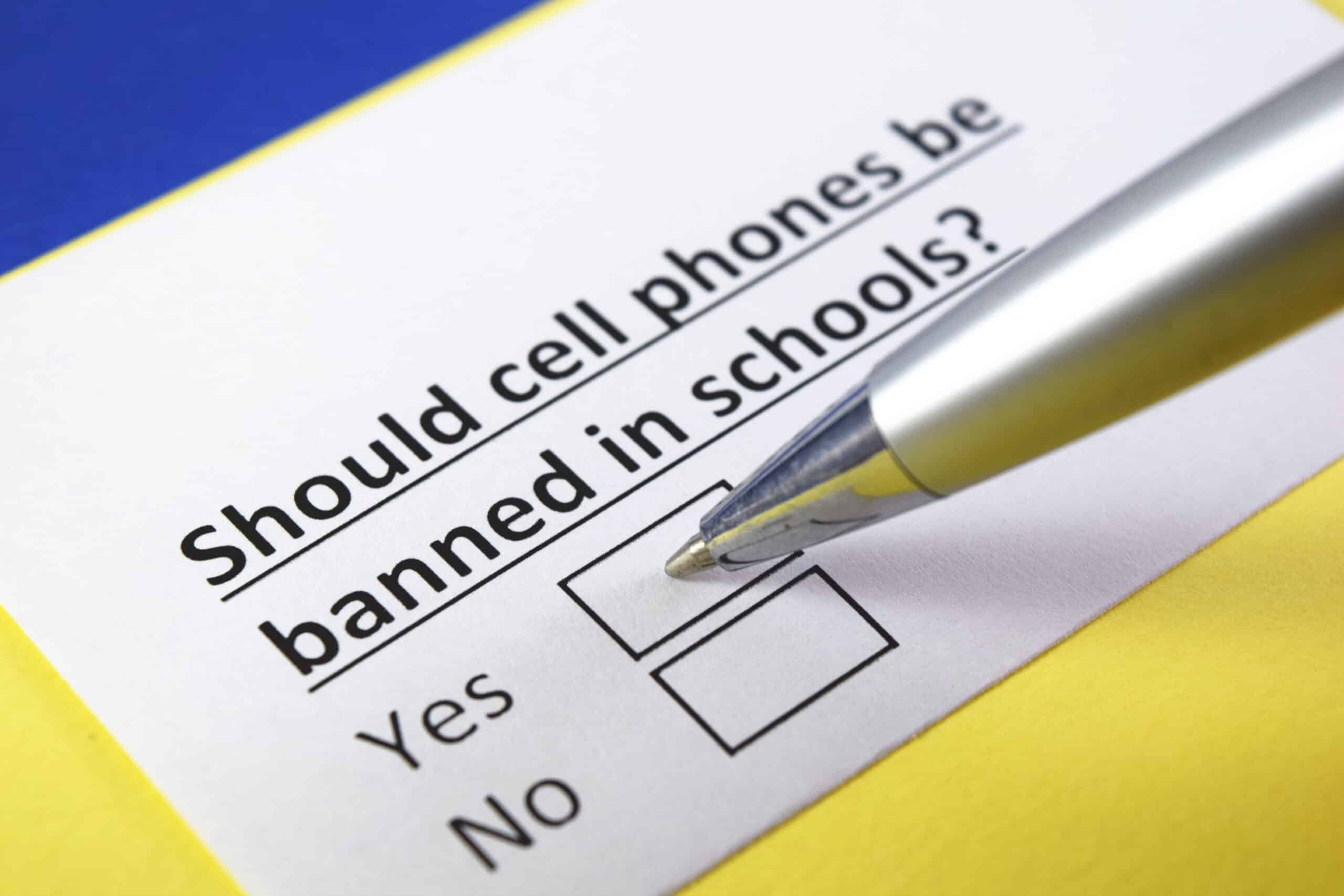
School Cellphone Bans Swept the Country: Did They Work?
Post | August 31, 2026
As summer winds down, Massachusetts lawmakers are working to reconcile State House and Senate bills that would prohibit students from using cellphones and other personal devices from the first school bell to the last, beginning in the 2026-27 school year.¹ If the effort succeeds, Massachusetts will join a movement that has spread with remarkable speed. […]

Who Should Pay for the Electricity That Powers AI?
Post | May 6, 2026
As artificial intelligence (AI) and large language models like ChatGPT become more ubiquitous in American life, “tech giants such as Google, Meta, Microsoft, and Amazon are predicted to spend $364 billion this year to accelerate the construction of new data centers” across the United States.1 Data centers are facilities that house servers, storage systems, networking […]

Should the Federal Government Influence How Museums Present American History?
Post | April 28, 2026
The administration of President Donald Trump has raised concerns that federally funded institutions, such as the National Museum of African American History and Culture (NMAAHC), wield the power to either heighten or ease racial tensions through what the administration calls “divisive” and “ideologically driven” narratives. The administration is scrutinizing the portrayal of the nation’s heritage […]

Should the Federal Government Subsidize Private School Tuition?
Post | April 20, 2026
The historic passage of the “One Big Beautiful Bill” in July 2025 brought about numerous new tax and spending policies. The Education Choice for Children Act passed within the text of the bill, representing the first federal, voucher-style, school choice program set to begin in January 2027. Secretary of Education Linda McMahon has described it […]

The United States and Iran: How Did We Get Here?
Post | April 17, 2026
The conflict between the United States and Iran has deep roots. When the U.S. military struck three nuclear facilities in Iran on June 22, 2025, President Donald Trump declared that the goal of disabling the sites had been achieved, though intelligence sources remained uncertain as to the extent of the damage.1 For some Americans, the […]
Page 1 of 27